Barbizon & patrimoine
What to see in Barbizon in a day: the complete guide to the painters' village
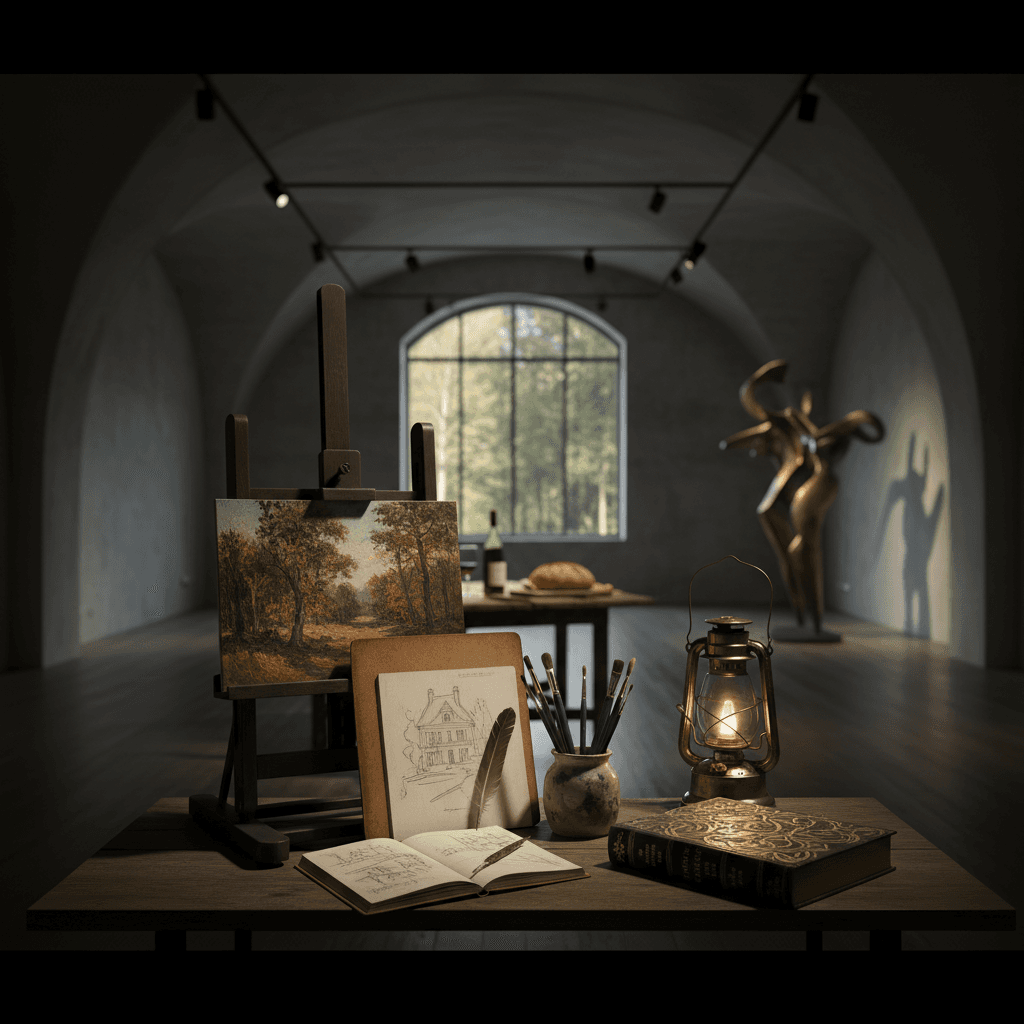
Barbizon, sixty kilometres and a century and a half later
An hour from Paris, south of the Fontainebleau forest, a village of a few hundred inhabitants changed the history of painting. It was in Barbizon that Théodore Rousseau, Jean-François Millet, Charles-François Daubigny and their friends left the studio to set up their easels among the trees. Their idea, to paint nature on site in daylight, seems obvious today. It was not in 1830. Without Barbizon, no Impressionism.
The village has kept its paved Grande Rue, its studios transformed into museums, its family pensions, its galleries. A day is enough to explore it, provided you plan it well. Here is how we recommend it to our visitors.
How to get to Barbizon
By train + bus. From Gare de Lyon, take a Transilien R heading to Montargis or Montereau as far as Fontainebleau-Avon (40 minutes). From the station, line 21 (Seine-et-Marne Express) drops you in the heart of the village in around twenty minutes. Allow 1 hour 15 minutes total travel time.
By car. Motorway A6 exit Fontainebleau, then follow signs for Barbizon. An hour in off-peak traffic. Free parking at the entrance to the village (rue Théodore Rousseau) and near the church. Leave your car there, everything is on foot.
Tip: avoid summer Sundays and May bank holidays, the village is very busy. Tuesday, Thursday or Friday: everything is open, everything is peaceful.
Morning: in the footsteps of the founders
10am: Musée départemental de l'École de Barbizon (Auberge Ganne)
92 Grande Rue. This is where, in the former inn run by the Ganne couple between 1822 and 1870, the painters settled. The walls and doors are still covered with frescoes they painted to pay their board: landscapes, portraits, studio jests. The tour, redesigned in 2007, is dense but brief. An hour is enough.
Admission: €6, free the first Sunday of the month. Opening hours: open daily except Tuesday, 10am–12.30pm / 2pm–5.30pm (6pm in high season).
11.30am: Jean-François Millet's House-Studio
27 Grande Rue. Millet lived and worked in this house-studio from 1849 until his death in 1875. It was here he painted The Angelus, The Gleaners, Man with a Hoe. The studio has been preserved in its near-original state: work table, easel, palettes, manuscripts. The visit is understated, without theatrical staging. Millet would probably have wanted it that way.
Admission: €6. Opening hours: 10am–12.30pm / 2pm–6pm, closed Tuesday.
12.30pm: stroll along Grande Rue
Before lunch, take twenty minutes to walk up Grande Rue to the monument to Millet and Rousseau, then walk back down the other side. Commemorative plaques mark the former artists' houses: Corot, Diaz de la Peña, Charles Jacque. This is also the moment to identify the galleries you may wish to visit in the afternoon.
Lunch
Three addresses in the village, simple and good:
- Le Relais de Barbizon (2 avenue Charles de Gaulle). Carefully prepared bistro cuisine, terrace at the back. €25–35.
- L'Angélus (31 Grande Rue). A nod to Millet's painting, classical French cuisine. €30–40.
- Le Bas Bréau. Gourmet dining for those who wish to extend the experience. Reservation essential.
For a quick lunch or picnic before the forest: the village bakery (52 Grande Rue) makes excellent slices of tart and sandwiches.
Afternoon: living art and the forest
2.30pm: galleries on Grande Rue
Barbizon today has around ten active galleries, carrying forward the work of their predecessors. Galerie Roz In Winter (61 Grande Rue) welcomes around twenty contemporary artists (painters, sculptors, jewellery makers) in a 120 m² space. Vernissages one Saturday per month, free entry all year.
Our advice: enter several galleries without hesitation. The Barbizon gallerists love to talk about their artists; you will leave with names, techniques, sometimes a work.
4pm: Fontainebleau forest
The village opens directly onto the forest. That is the whole point of the place. Three short routes from Barbizon:
- Sentier Denecourt no. 1 (1 hour 30 minutes): the most emblematic, passes through the Cuvier-Châtillon boulders and the large sandstone blocks that fascinated Rousseau and Cézanne.
- Allée aux Vaches → sentier Rosa Bonheur (1 hour): gentler, dedicated to the animal painter who lived in nearby Château de By. Shaded, ideal in summer.
- Mare aux Fées (45 minutes): short, flat, perfect with children or sturdy pushchairs.
Maps and signage: tourist office (41 Grande Rue) or Visorando app.
6.30pm: sunset over the rocks
Weather permitting, return to the Cuvier boulders an hour before sunset. The raking light on the sandstone, the same light the painters sought, is worth the detour. It is also the best time to photograph the forest.
Practical advice
| Season | Atmosphere | Our recommendation |
|---|---|---|
| Spring | Forest in bloom, moderate crowds | Our favourite season. |
| Summer | Activity, vernissages, long evenings | Come on a weekday. |
| Autumn | Spectacular forest colours | Bring good walking shoes. |
| Winter | Peaceful, magnificent cold light | Check opening hours (museums run winter hours). |
Don't forget: walking shoes, water, some cash (some shops are sometimes reluctant to accept cards for small amounts).
And afterwards?
If Barbizon has moved you and you wish to extend the experience, we welcome you to the gallery without an appointment, Wednesday to Sunday. We take time to talk about the artists we represent, their techniques, their stories. And if you loved a work you saw this morning in a museum, we will probably be able to point you towards a contemporary artist who continues their gesture. It is our profession, and it is what Barbizon taught us to do.
Galerie Roz In Winter, 61 Grande Rue, 77630 Barbizon. Wednesday to Sunday, 11am–7pm.